

CONSTRUCTION MANAGEMENT
Construction management carries a different weight when capital, schedule, access, equipment, active operations, and technical systems are tied to the same outcome.
BA Corp supports owners, developers, and facility operators on projects where management must be close to the work and grounded in commercial judgment. These assignments require more than supervision. They require an understanding of contracts, trades, procurement, site conditions, sequencing, documentation, and the financial effect of decisions made during the job.
Our role is to give the project a working structure before complexity begins to control the outcome. That means understanding what has been committed, what remains unresolved, where exposure may appear, and what decisions need to be made while the work is still manageable..
WHERE THIS WORK APPLIES
Commercial facilities
Industrial projects
Technical infrastructure
Operating facilities
Facility improvements
Data and high-load environments
Renovations and upgrades
Project stabilization assignments
Electrical and infrastructure-related scopes
THE VALUE OF EARLY CONTROL
Strong construction management begins before mobilization. At the early stage, the project has to be reviewed as both a business commitment and a field operation. Scope, cost, access, schedule, procurement, existing conditions, and constructability all have to be tested before the work moves into the field.
The purpose of preconstruction is not to add another layer of process. It is to identify the conditions that may affect cost, timing, coordination, and execution before they become harder to correct.
Preconstruction Assessment
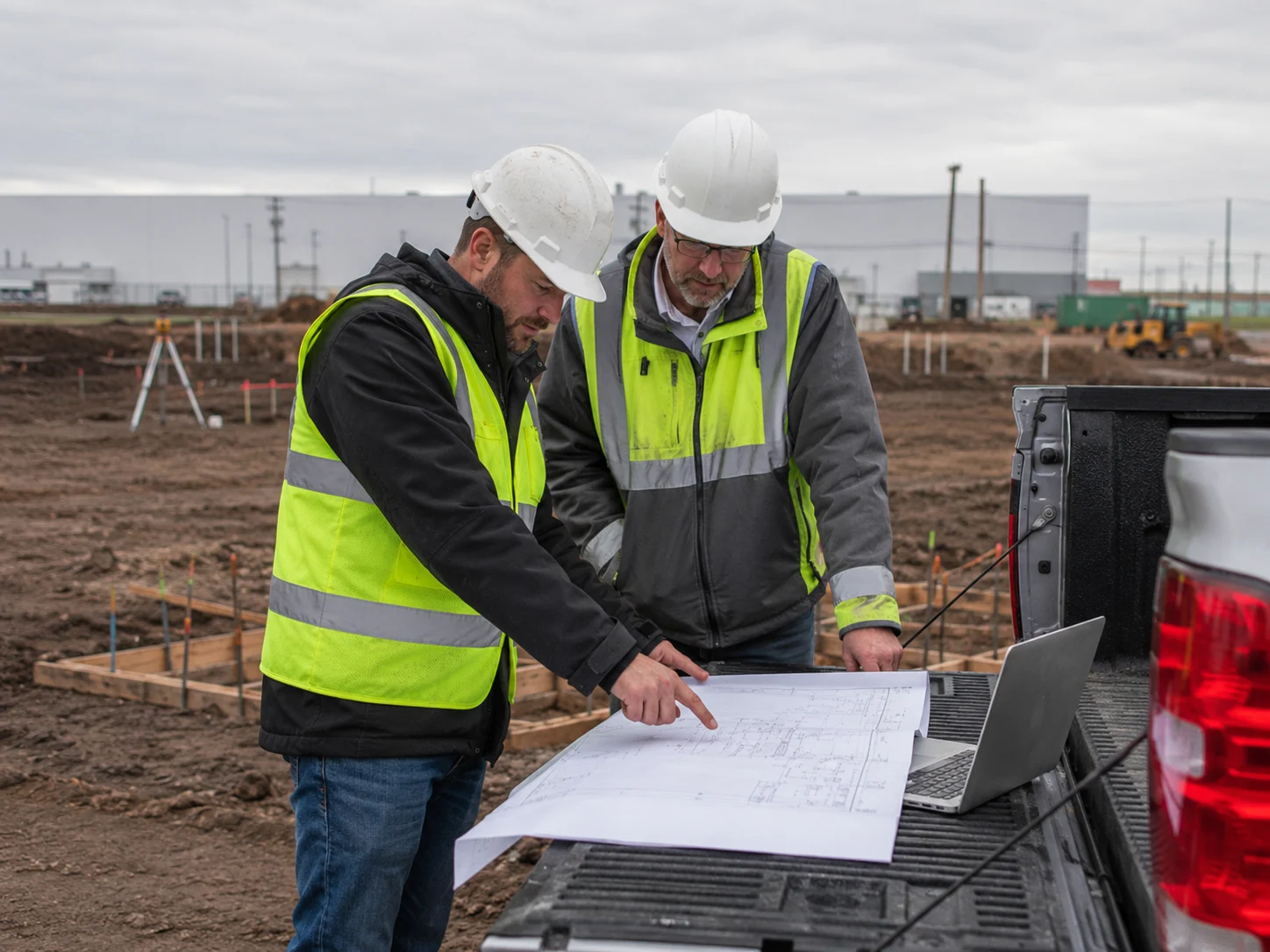
Reviewing scope, access, site conditions, budget assumptions, schedule pressure, procurement needs, and unresolved decisions before mobilization.
Scope Alignment Review
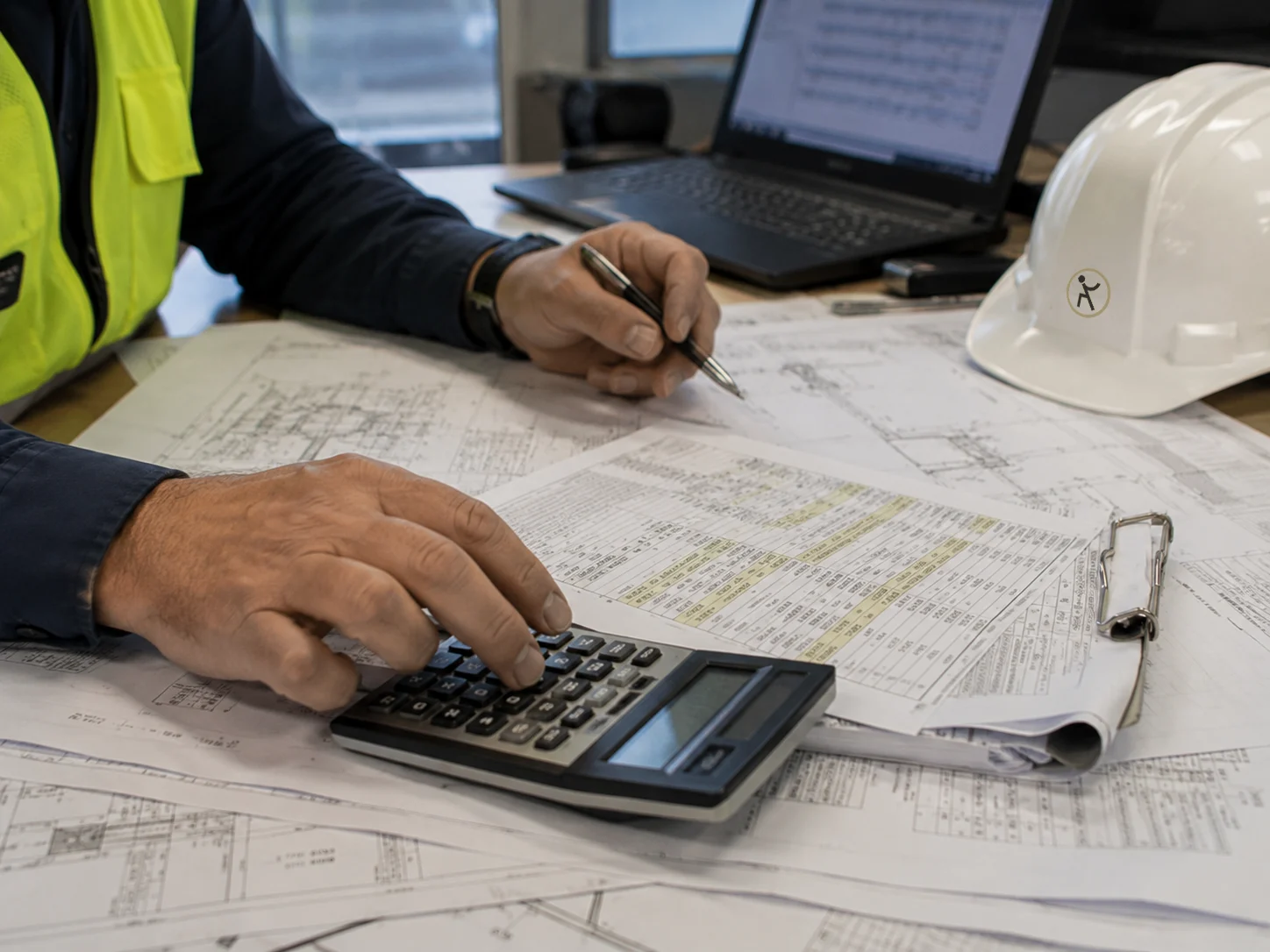
Comparing drawings, proposals, contracts, exclusions, and field requirements to identify gaps, overlaps, and unclear responsibilities.
Cost and Budget Analysis
Reviewing allowances, unit pricing, labor assumptions, material pricing, equipment needs, and potential cost exposure as the project develops.

Progressive Cost Updates
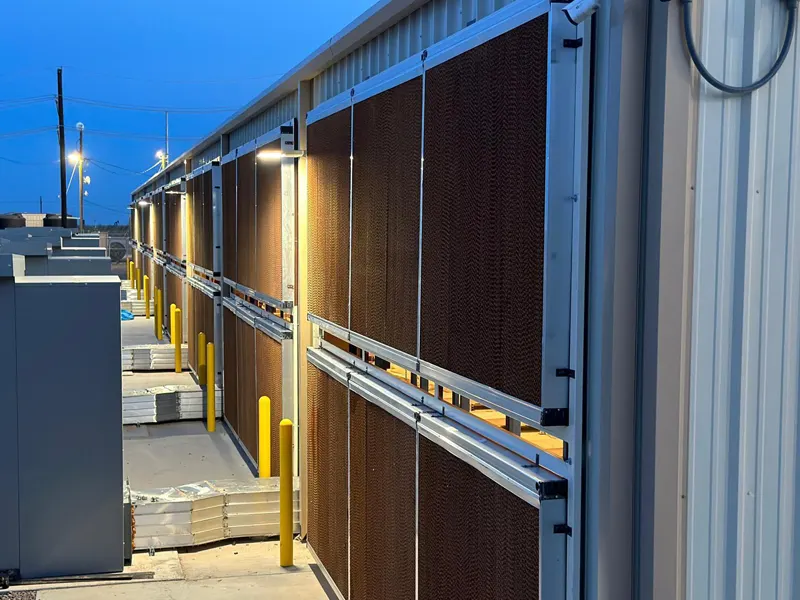
Updating cost expectations during design, procurement, and early project planning so pricing issues are identified before they become late-stage problems.
Material Quantity Review
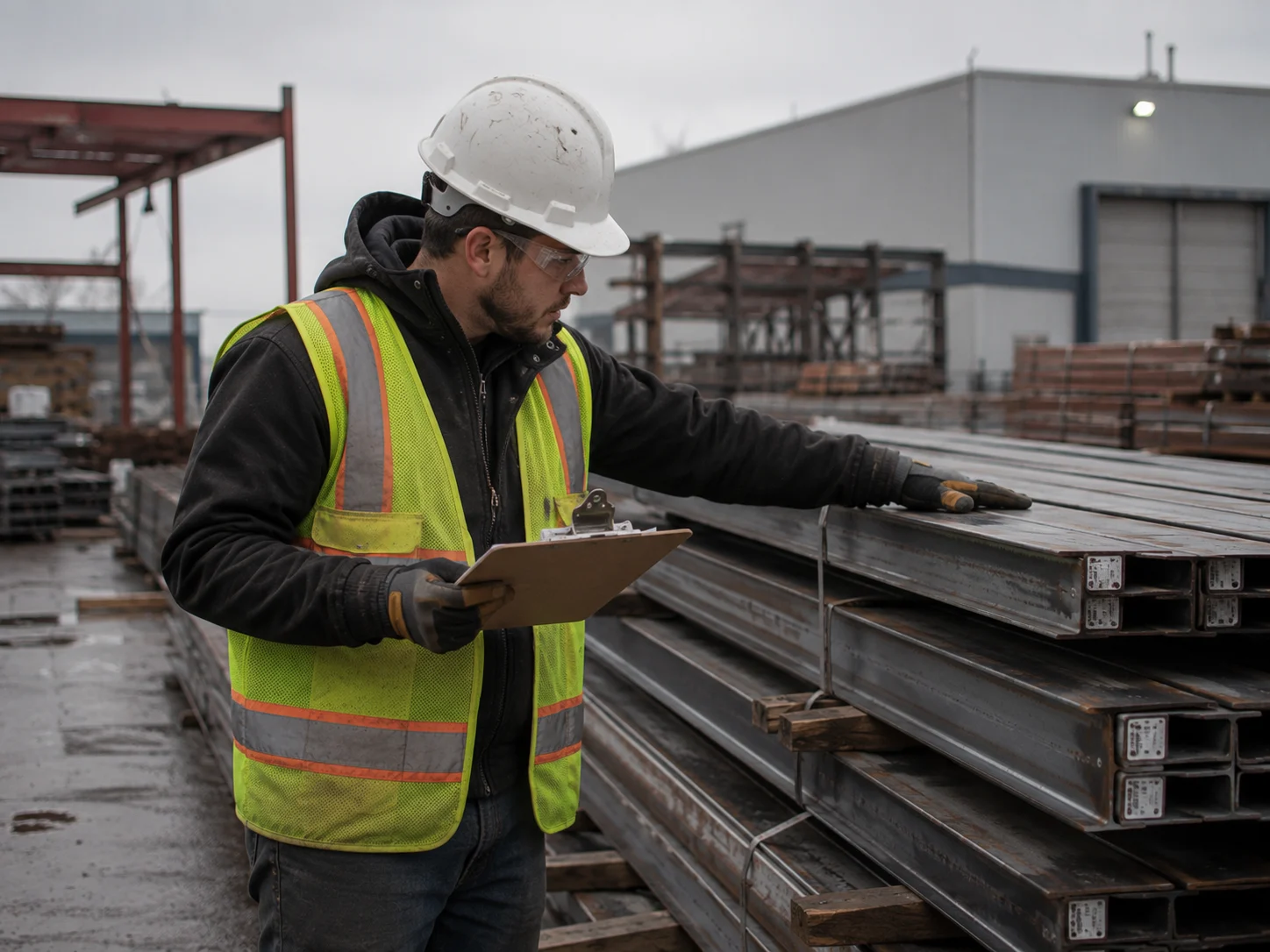
Verifying quantities for major materials, assemblies, equipment, and field scopes to support estimating, purchasing, and schedule planning.
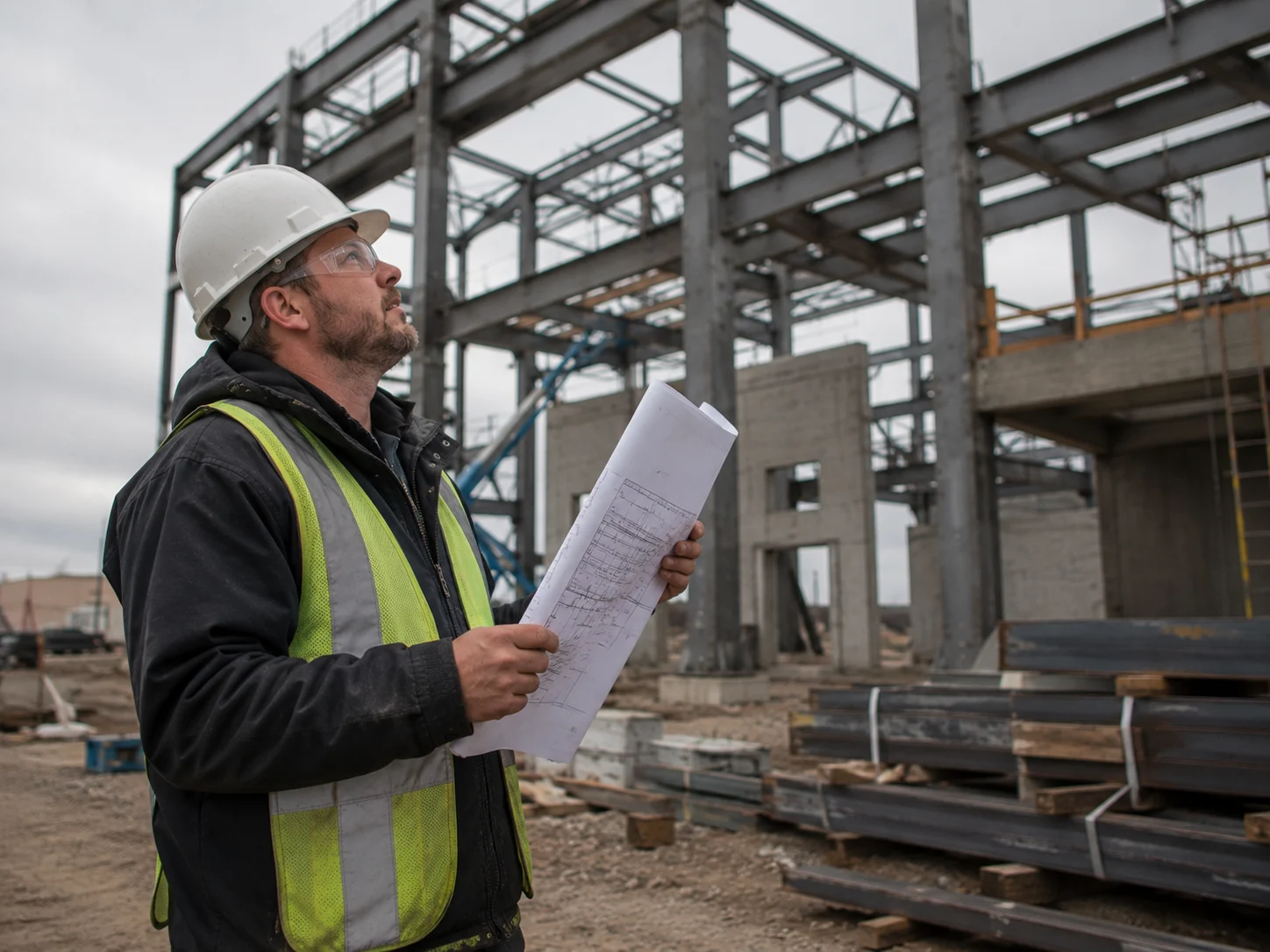
Constructability Analysis
Reviewing whether the planned work can be built under actual site conditions, including access, sequencing, equipment needs, trade interfaces, and installation constraints.
Alternates and Cost Options
Studying practical options for materials, methods, phasing, or sequencing where cost can be reduced or delivery improved without weakening the purpose of the project.

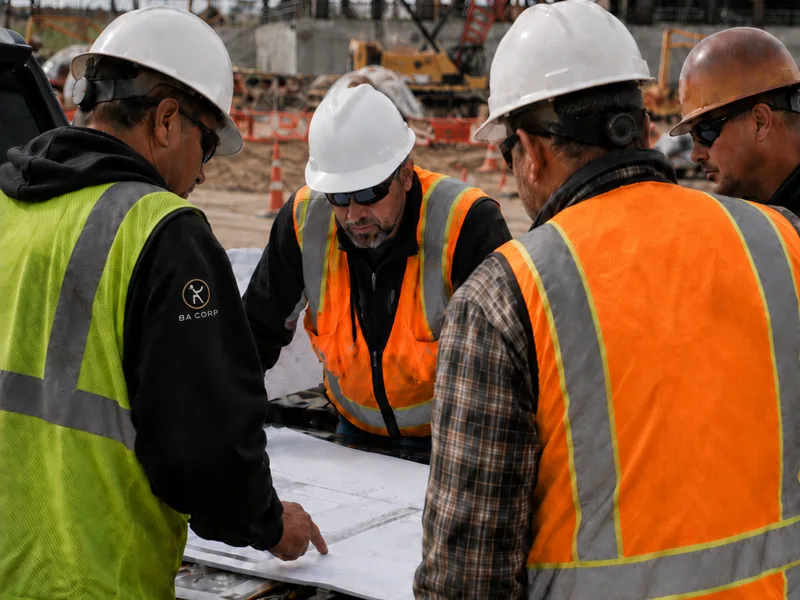
Operational Cost Review
Evaluating selected systems, materials, and equipment with attention to maintenance, replacement, downtime, service access, and long-term facility use.
Existing Conditions Documentation
Capturing current site conditions through walkthroughs, photographs, measurements, markups, scans, and field records.

MANAGING THE WORK IN MOTION
Once construction begins, management has to stay connected to the actual condition of the work. Field conditions change, materials move, trades overlap, access becomes limited, and decisions made late can affect cost, schedule, and execution.
The construction phase requires current information, disciplined coordination, and practical control of the work as it is being performed. A project cannot be managed only from what was expected at the beginning. It has to be managed from what is happening now.
Our construction phase services may include:
Field Execution Planning
Establishing how the work will be sequenced, staffed, staged, accessed, inspected, and documented during construction.
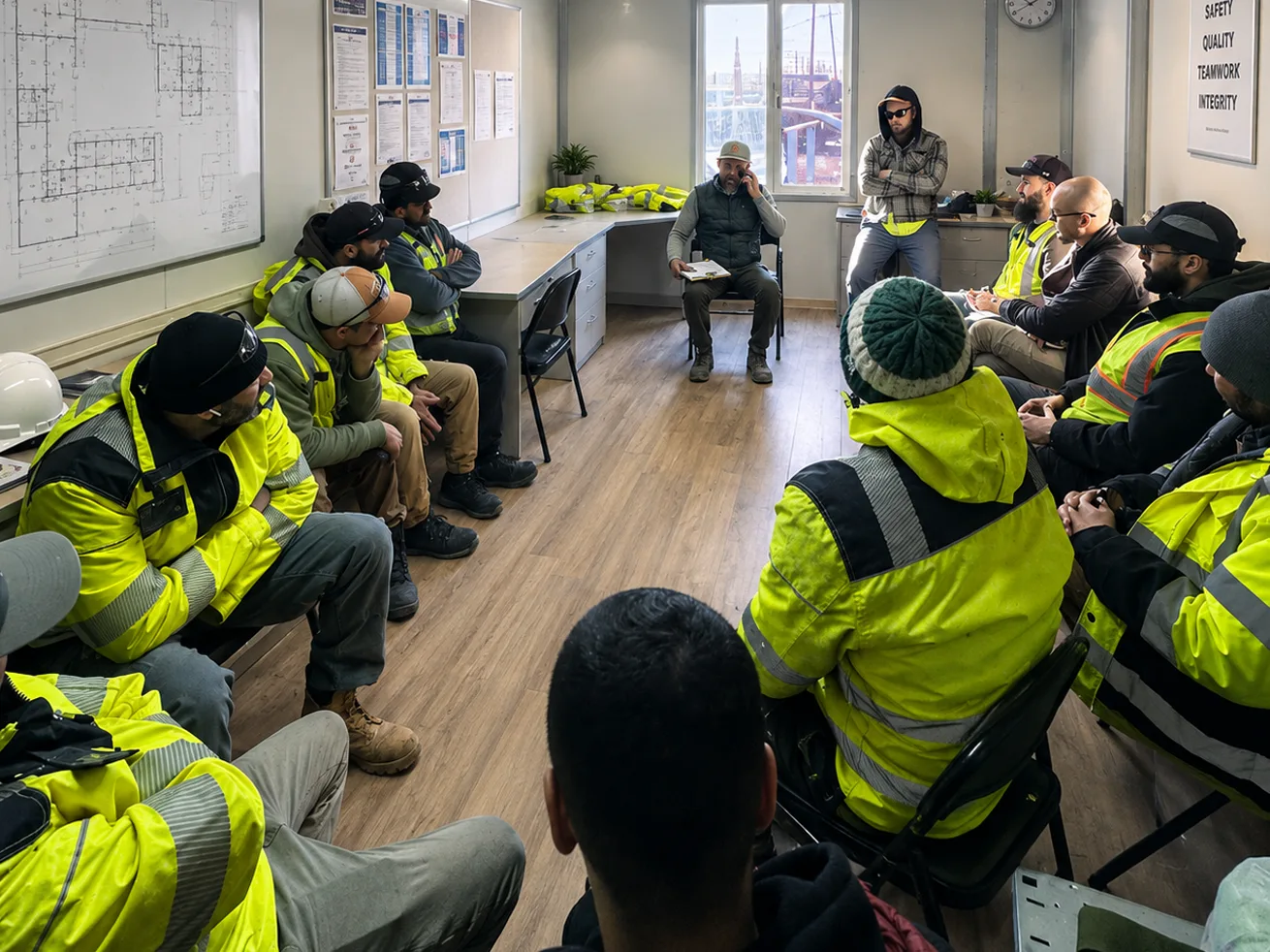
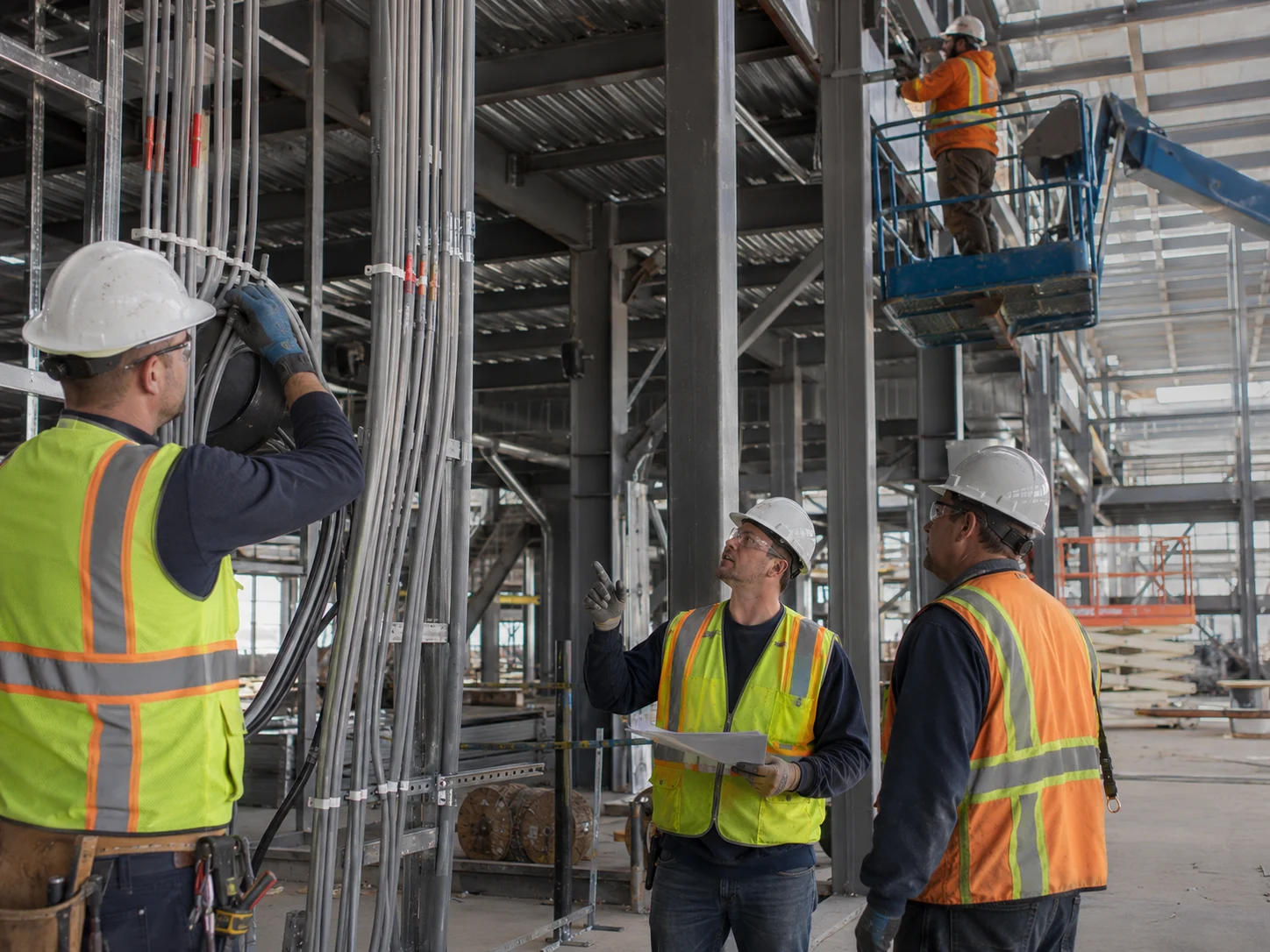
Trade Interface Management
Managing the points where subcontractors, vendors, facility teams, and field crews depend on one another’s work.
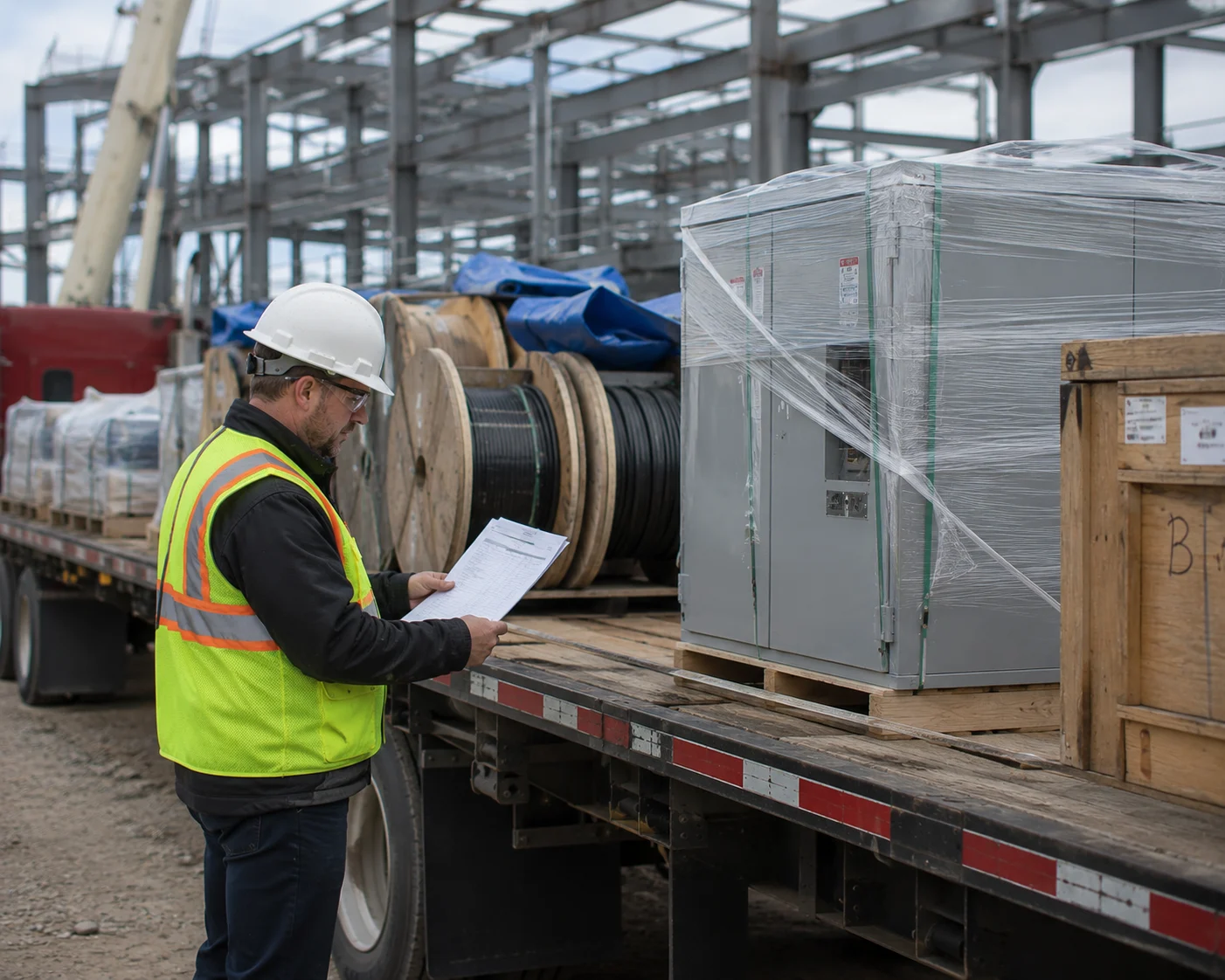
Procurement and Lead-Time Control
Tracking critical materials, equipment orders, vendor commitments, delivery dates, substitutions, missing items, and long-lead components.
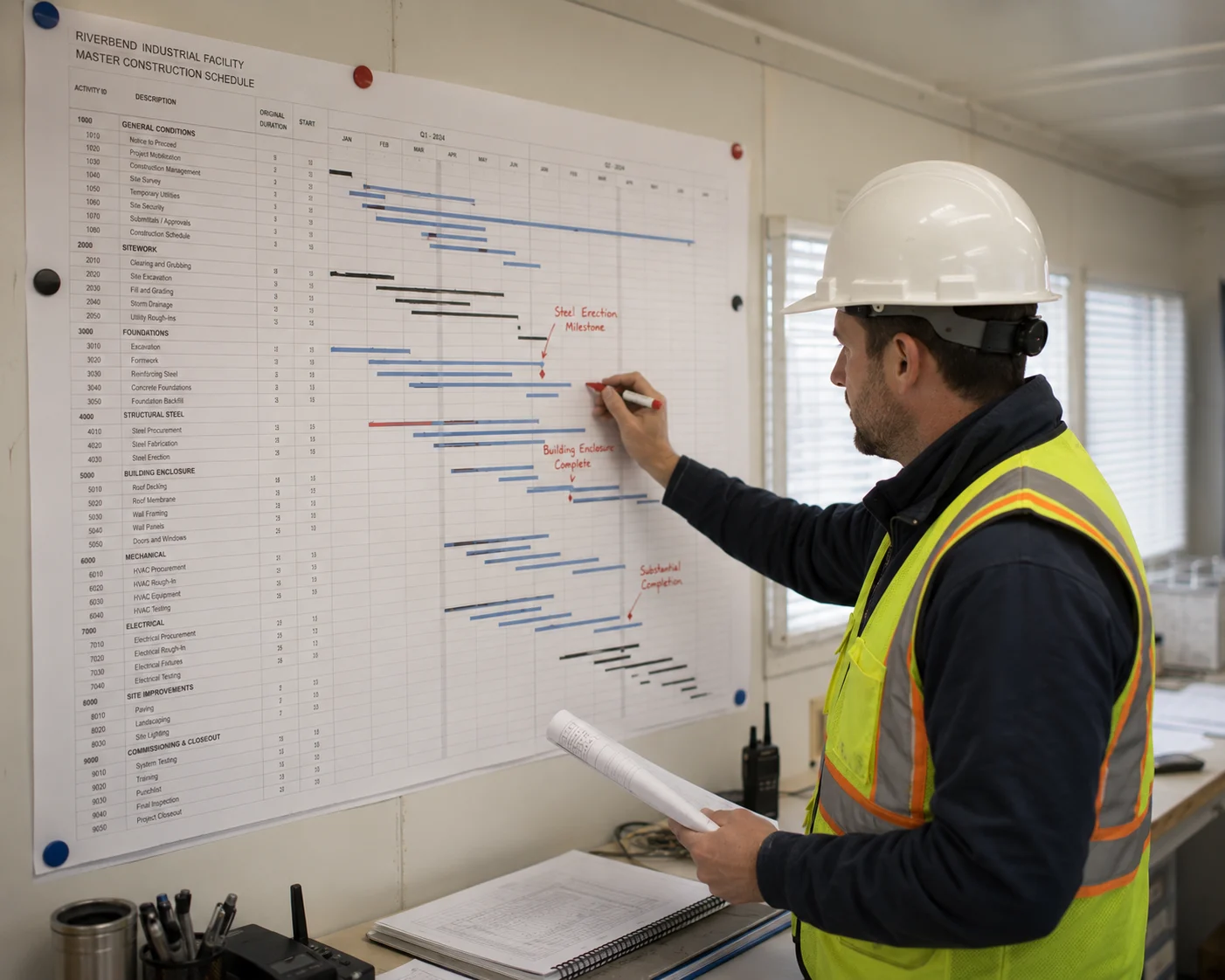
Project Schedule Development
Building and maintaining schedule logic around milestones, trade sequence, inspections, access windows, deliveries, and operational constraints.
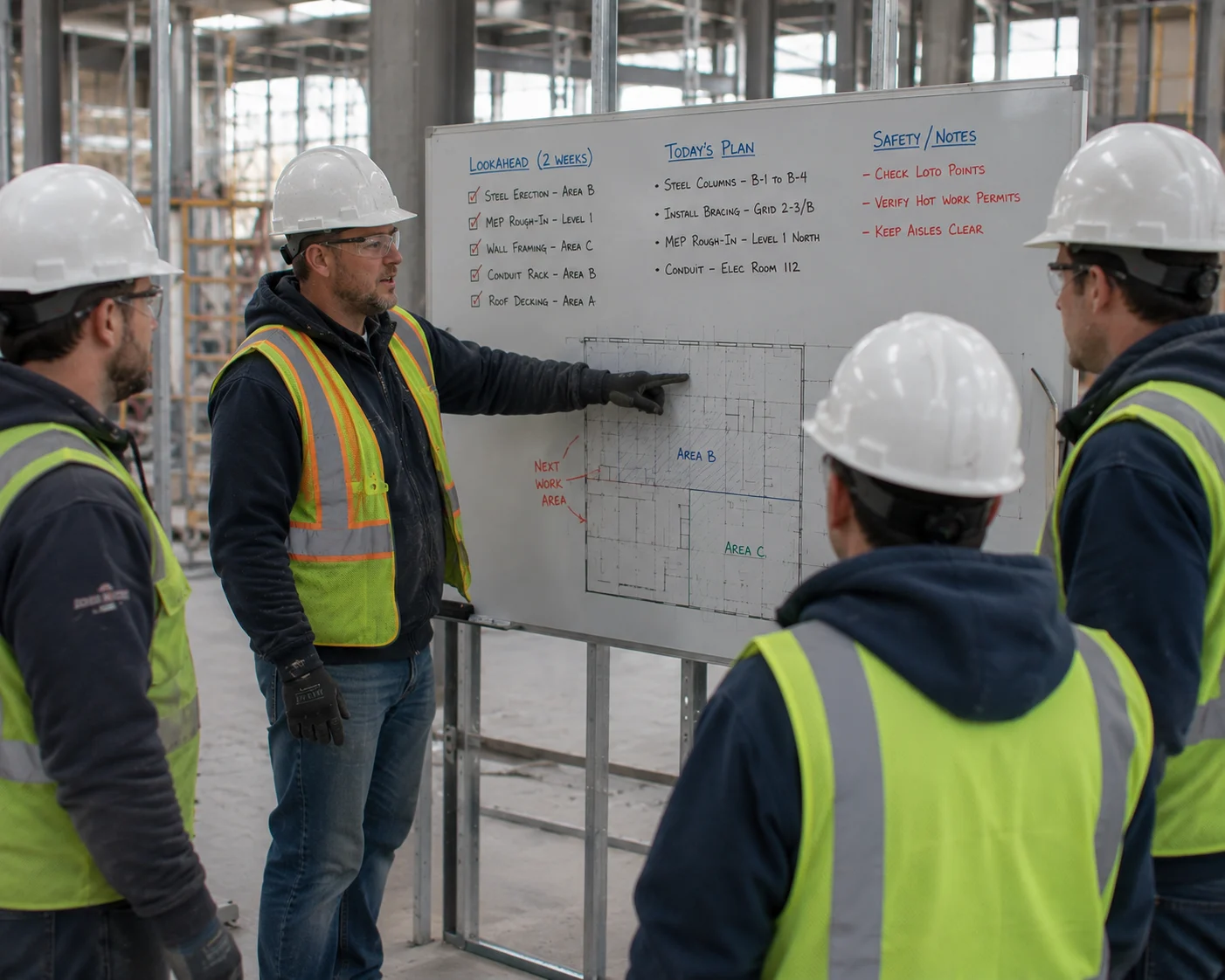
Short-Interval Planning
Reviewing near-term work windows, manpower needs, material readiness, access requirements, inspections, and decisions needed before the next phase of work.
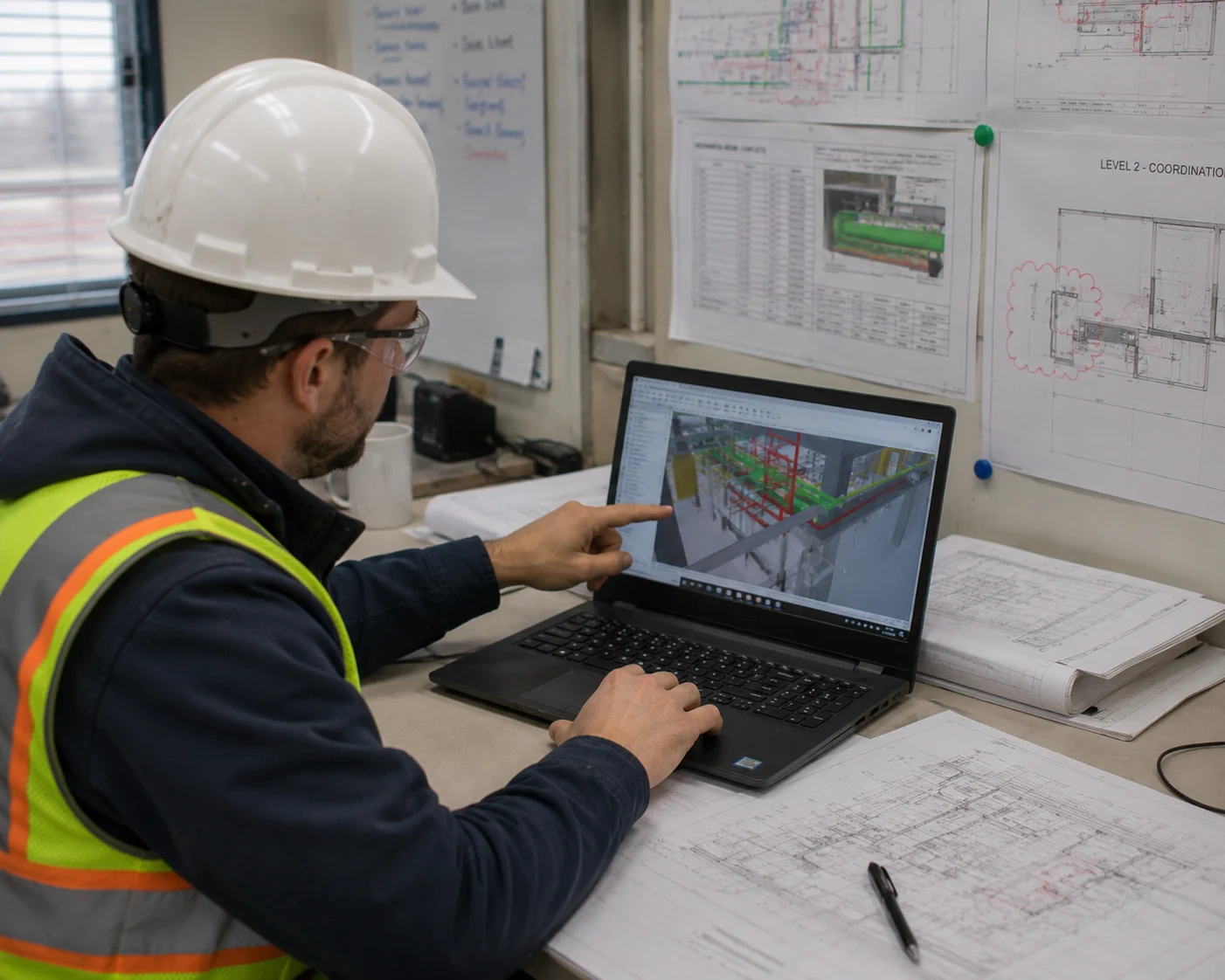
Model and Drawing Coordination
Reviewing drawings, trade information, and digital models to identify conflicts, missing information, and coordination issues before they reach the field.
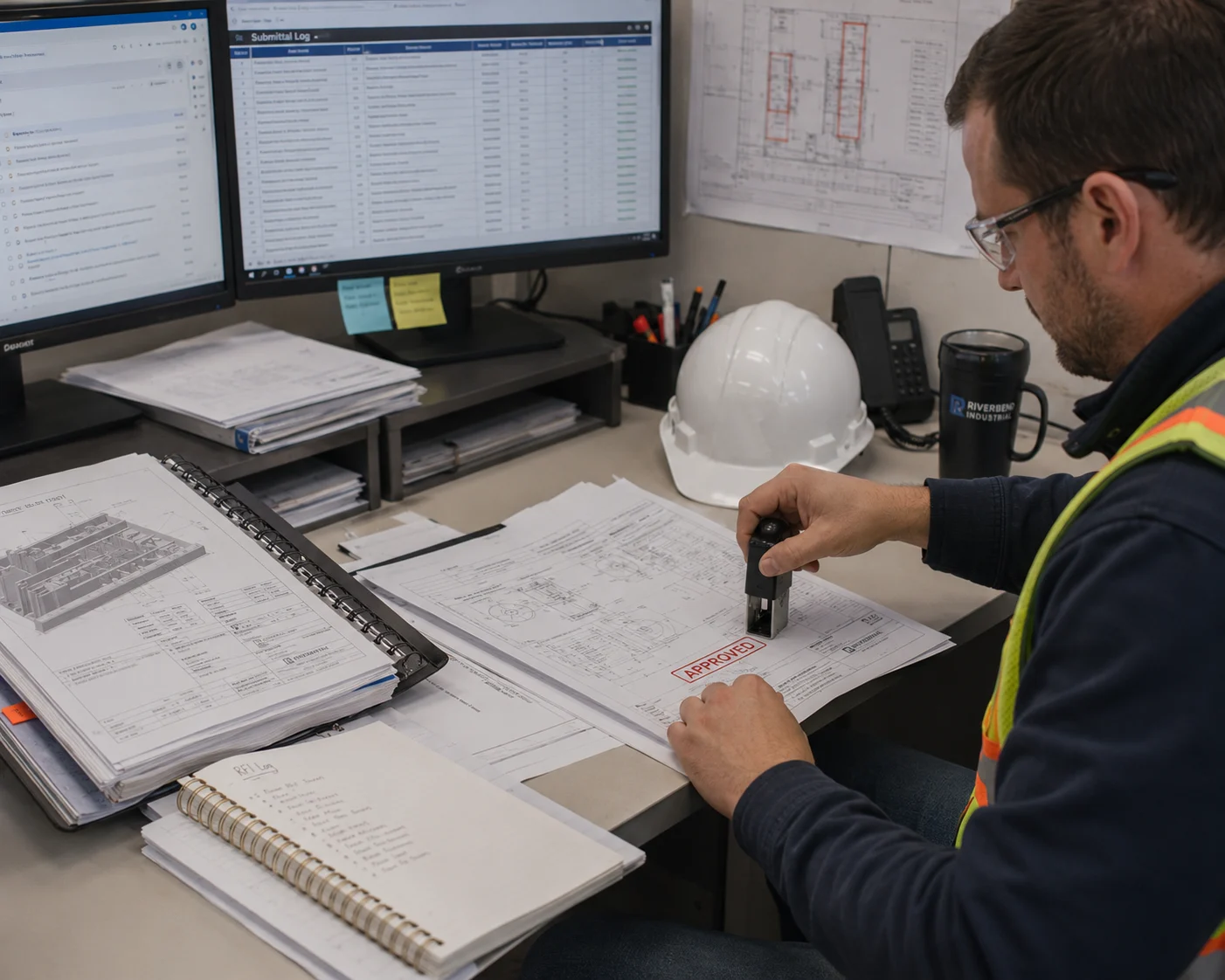
RFI and Submittal Management
Coordinating technical questions, product data, shop drawings, approvals, clarifications, and information required for construction.
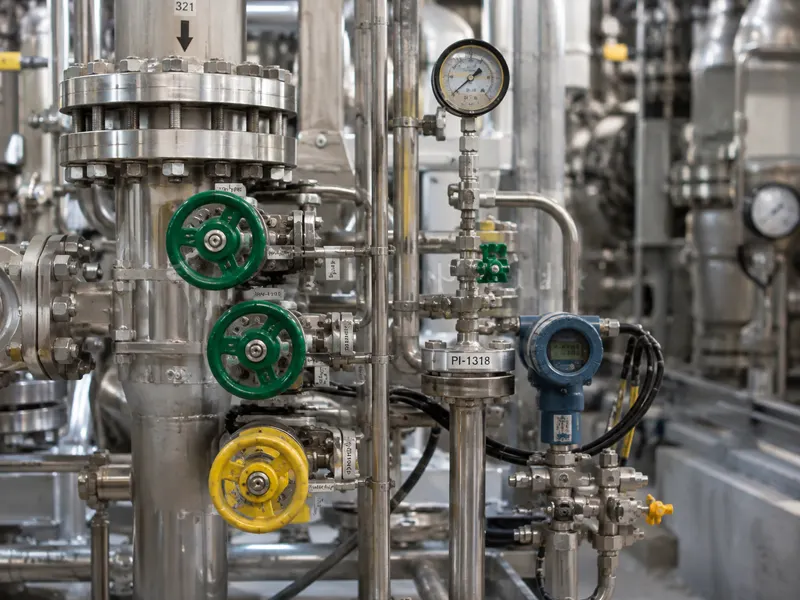
Change Impact Review
Evaluating changed conditions, added scope, pricing impact, schedule effect, approval status, and field consequences before changes move through the job.
Inspection Readiness Coordination
Preparing work for required inspections, tracking corrections, coordinating follow-up items, and maintaining approval records.

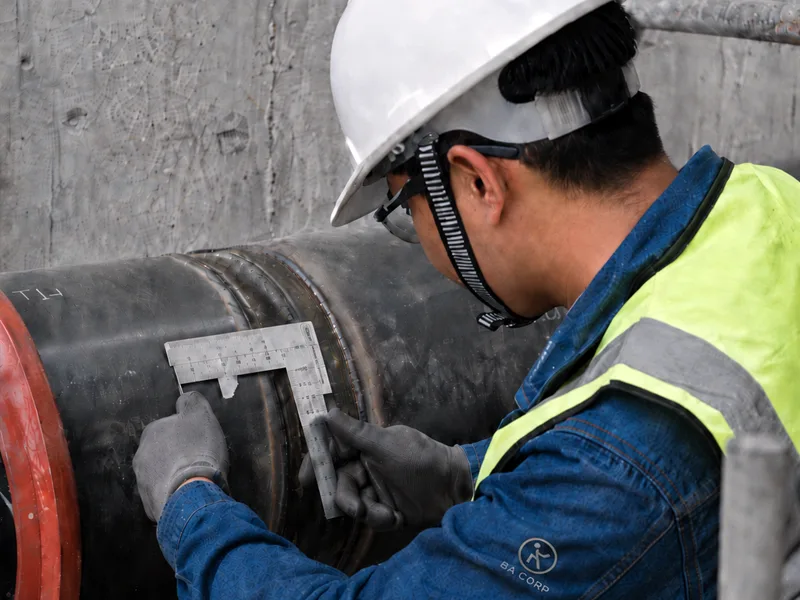
Progress Documentation
Maintaining photo records, field notes, installed-condition records, open items, approvals, inspection status, and key project decisions.
Active Facility Planning
Planning construction around occupied areas, active operations, restricted spaces, equipment rooms, safety requirements, facility personnel, and site-specific rules.
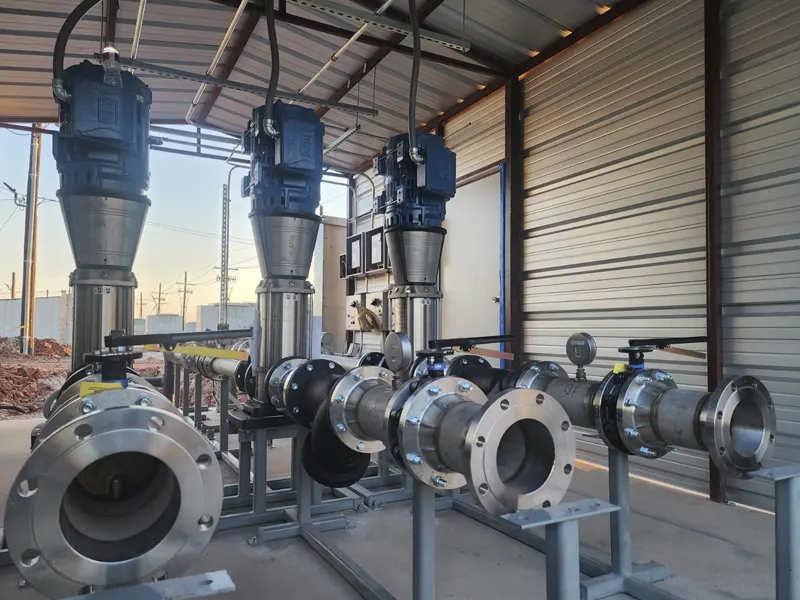
Shutdown and Outage Coordination
Organizing work that requires temporary interruptions, limited access windows, after-hours execution, equipment shutdowns, or staged installation.
Project Stabilization
Assessing delayed or disorganized work, identifying what remains, and creating a practical path to regain control of the project.
CLOSEOUT THAT REMAINS USEFUL AFTER TURNOVER
The final stage of construction should not be treated as an administrative afterthought. Closeout determines how clearly the completed scope is accepted, documented, operated, maintained, and referenced after turnover.
Missing records, incomplete as-builts, open warranty information, and unresolved items can create problems long after the field work is finished. A serious closeout process gives the owner a clear record of what was delivered and what information can be relied on after acceptance.
Our post-construction services may include:
Closeout Records Management
Organizing final approvals, inspection records, product data, warranties, equipment information, vendor documents, and turnover requirements.
Punch List Management
Tracking remaining work, corrections, responsible parties, inspection items, completion status, and final acceptance requirements.
Warranty Documentation
Collecting warranty records, vendor documents, equipment information, service requirements, coverage details, and warranty contacts.
Digital As-Built Coordination
Coordinating field markups, installed-condition records, drawing updates, and digital documentation of completed work.
Operations Documentation
Preparing manuals, product data, equipment records, service requirements, maintenance references, and other information needed after turnover.
Owner Turnover Package
Assembling the final project record so the completed scope can be operated, maintained, and referenced after acceptance.
Final Walkthrough Support
Coordinating final review, acceptance comments, open items, documentation status, and remaining obligations tied to the completed work.
Project-Specific Technology Support
When required, supporting the use of digital models, site scanning records, field platforms, as-built files, or turnover systems selected for the project.